A Comprehensive Guide to Building a House: From Concept to Completion
Building a house is an exciting yet complex process that requires careful planning, budgeting, and coordination. Whether you're constructing your dream home from scratch or embarking on a major renovation, understanding the key steps involved can help ensure a smooth and successful project. Here’s a comprehensive guide to building a house, from initial concept to final completion.
1. Define Your Vision and Goals
Before you begin, clearly define what you want in your new home. Consider factors such as:
Size and Layout: How many bedrooms and bathrooms do you need? What kind of living spaces do you envision?
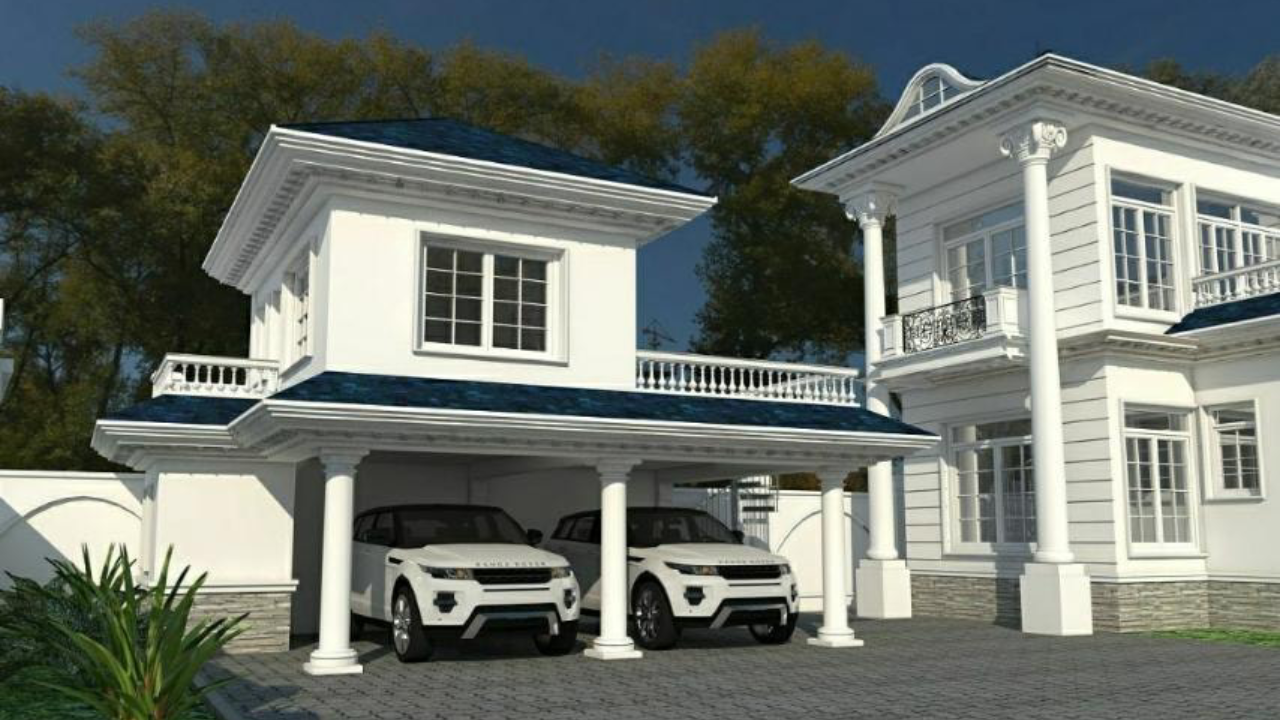
Style and Design: Do you prefer a modern, traditional, or custom design?
Budget: What is your budget for the project, including construction, furnishings, and landscaping?
Creating a vision board or collecting inspiration from magazines and websites can help articulate your ideas and preferences.
2. Assemble Your Team
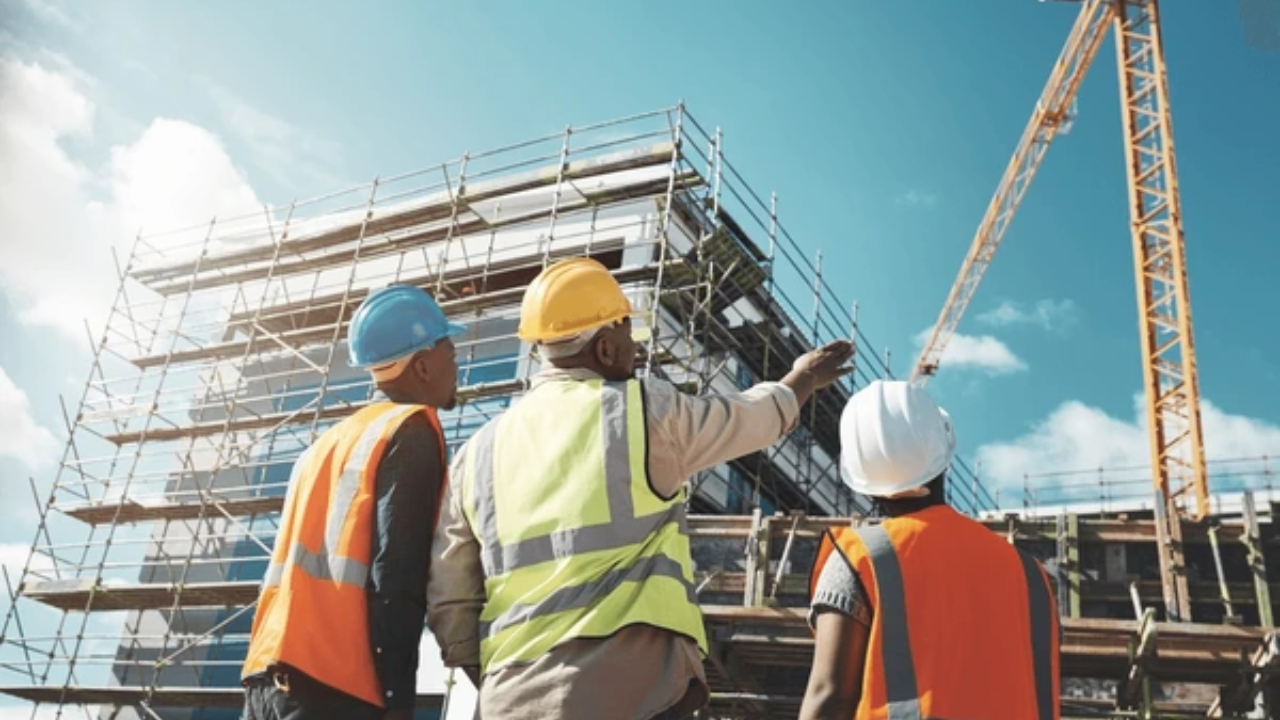
Building a house involves a variety of professionals, each playing a crucial role:
Architect: Designs the house and creates detailed blueprints.
Builder/Contractor: Manages the construction process and oversees subcontractors.
Engineer: Ensures the structural integrity and compliance with building codes.
Interior Designer: Helps with the selection of finishes, fixtures, and furniture.
Real Estate Agent: Assists in finding and acquiring land if needed.
Choose experienced and reputable professionals to ensure quality and adherence to your vision.
3. Choose and Secure a Location
Selecting the right location is vital. Consider factors such as:
Proximity to Work, Schools, and Amenities: How convenient is the location for your daily needs?
Neighborhood: What is the community like? Is it safe and well-maintained?
Land Characteristics: Assess the land’s topography, drainage, and potential for future developments.
Once you find a suitable location, secure the land through a purchase agreement and conduct a thorough site survey.
4. Design and Planning
Work with your architect to create detailed plans and blueprints. This phase includes:
Design Layout: Finalize floor plans, elevations, and interior layouts.
Permits and Approvals: Obtain necessary building permits and approvals from local authorities.
Budgeting: Develop a detailed budget that includes construction costs, materials, labor, and contingencies.
Ensure that your design complies with local building codes and regulations.
5. Prepare the Site
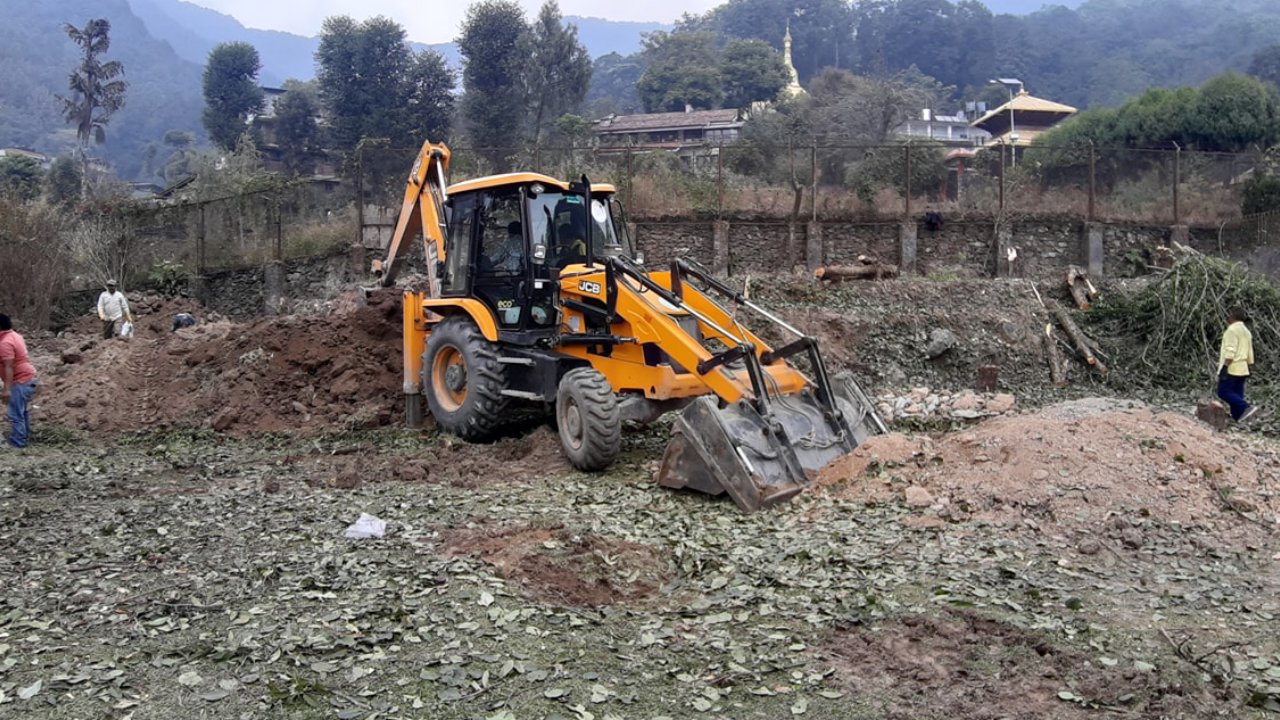
Site preparation involves:
Clearing and Excavation: Remove any obstacles, such as trees and rocks, and excavate the land as needed.
Foundation: Lay the foundation, which could be a slab, crawl space, or full basement, depending on your design and soil conditions.
Proper site preparation is crucial for a stable and long-lasting foundation.
6. Construct the House
The construction process typically follows these stages:
Framing: Construct the skeleton of the house, including walls, floors, and roof structures.
Plumbing and Electrical: Install plumbing, electrical wiring, and HVAC systems.
Insulation and Drywall: Insulate the walls and ceilings, then install drywall.
Exterior and Interior Finishes: Apply exterior siding, roofing, and windows. Complete interior finishes, including painting, flooring, and cabinetry.
Regular inspections at each stage can help ensure quality and adherence to plans.
7. Install Fixtures and Fittings
Choose and install fixtures and fittings, such as:
Kitchen and Bathroom Fixtures: Select sinks, faucets, cabinets, and countertops.
Lighting: Install light fixtures and electrical outlets.
Flooring: Choose flooring materials for each room.
Ensure that all fixtures and fittings are installed correctly and match your design preferences.
8. Landscaping and Exterior Work
Complete the exterior of your home with:
Landscaping: Plant trees, shrubs, and flowers, and lay sod or seed for lawns.
Driveways and Walkways: Install driveways, walkways, and other exterior features.
Exterior Lighting: Add outdoor lighting for safety and aesthetics.
Landscaping not only enhances the beauty of your home but also adds value and functionality.
9. Final Inspections and Punch List
Before moving in, conduct final inspections to ensure everything is up to standard. Create a punch list of any remaining tasks or corrections needed, such as:
Finishing Touches: Address minor details, such as touch-up paint or hardware installation.
Inspection Reports: Ensure all inspections are complete and pass local codes.
Address any issues identified during the final inspections promptly.
10. Move-In and Enjoy
Once everything is complete and you’ve received the final occupancy permit, it’s time to move in and enjoy your new home. Take the opportunity to:
Unpack and Organize: Settle into your new space and arrange furniture and belongings.
Personalize Your Space: Add personal touches to make the house truly feel like home.
Building a house is a significant undertaking, but with careful planning and attention to detail, you can create a space that reflects your vision and meets your needs. Enjoy the journey of turning your dream home into reality!
Divine S.B. Kunwar Group of Construction Pvt.Ltd.


Comments (0)